How to Choose the Right Hair Extension Length for Your Face Shape
By Icon Hair · Updated 6 October 2026
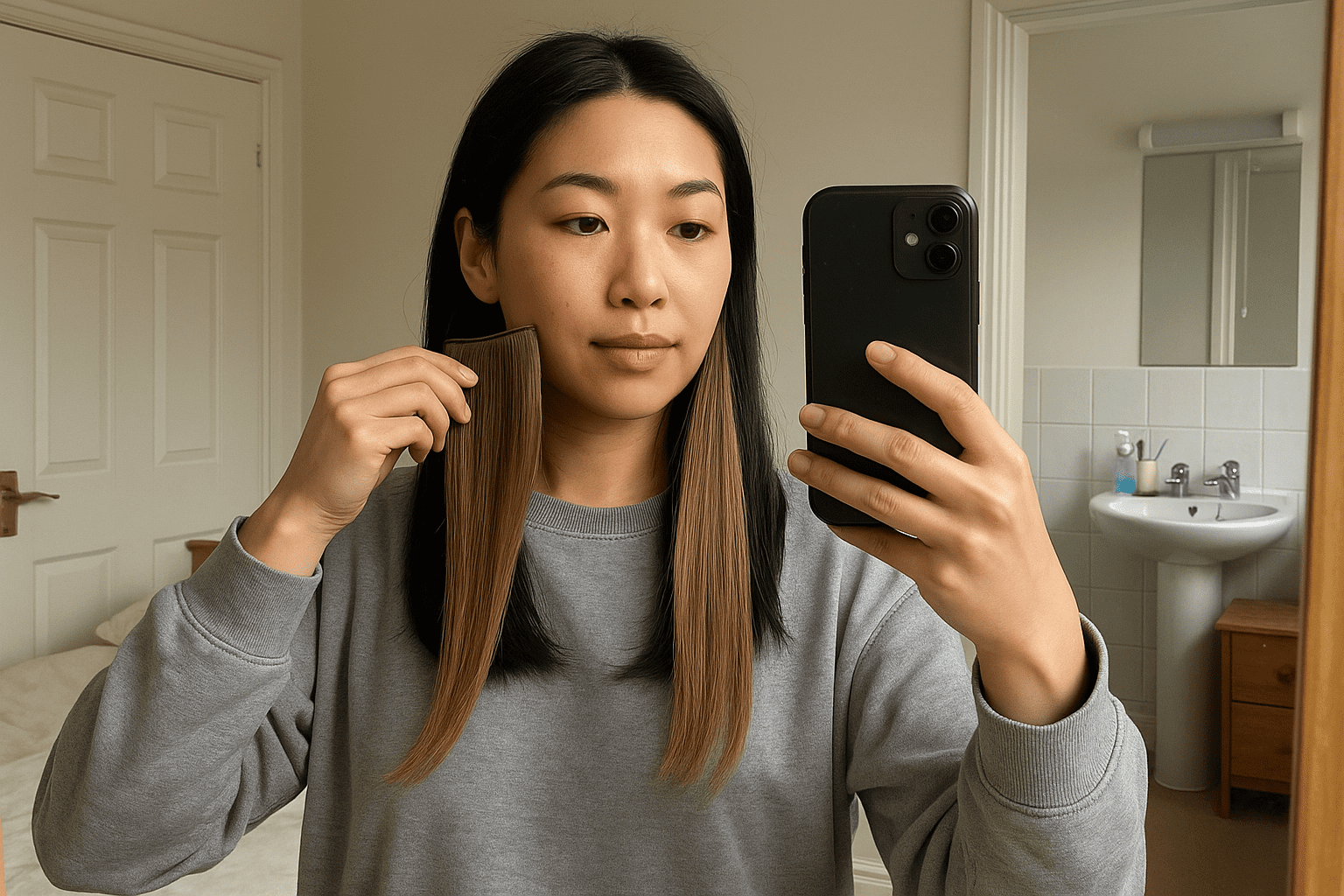
The right extension length does far more than add inches. It changes where attention lands on your jawline, neck, shoulders and overall silhouette.
That is why a length that looks incredible on one person can feel heavy, ageing or obviously fake on someone else. The goal is not to buy the longest hair you can afford. The goal is to buy the length that makes your features look more balanced.
The most flattering extension length is rarely the longest one. It is the one that makes your features look intentional.
Quick Answer
If you want the safest starting point, choose a length that finishes between the collarbone and mid-bust. That range flatters most face shapes because it adds movement without overwhelming the face.
Go shorter if your natural hair is fine, your frame is petite or you wear your hair straight most days. Go longer if you plan to style with bend, layers or soft waves so the final result still feels light and believable.
Key Takeaways
- Use face shape as a guide, but check height, neck length and natural density before you commit.
- The same inch length looks different when hair is worn straight versus waved.
- Longer hair needs enough density through the ends or it can make the face look narrower and the hair look stringy.
- When in doubt, buy for balance first and drama second.
Start with proportion, not trend photos
Saved inspiration photos are useful, but they can mislead you if the person in the photo has a different face shape, height or natural hair density. Twenty inches on a tall client with thick hair does not read the same way on someone petite with finer hair.
A better approach is to ask where you want the hair to finish on your own body. Collarbone, top of bust, mid-bust and waist all create a different visual effect. Once you decide the finish point, the inch length becomes much easier to choose.
Face-shape cheat sheet
Round faces usually benefit from lengths that fall below the chin and create vertical movement. Heart-shaped faces often look best with fullness around the collarbone so the jawline feels softer. Square faces suit lengths that move past the jaw with bend or layers to reduce bluntness. Longer face shapes generally need width and softness rather than ultra-long, flat hair.
Oval faces are the easiest to fit, but even then the best choice still depends on how dramatic you want the result to look. A flattering length is always the one that works with your full styling pattern, not just your outline in the mirror.
Length only works when density makes sense
A common mistake is choosing a longer length without thinking about thickness through the mid-lengths and ends. That is when extensions stop looking premium and start looking sparse.
If your natural hair is fine, a slightly shorter length with better density almost always looks more expensive than very long hair that thins out by the bottom. This matters even more if you want an easy everyday blend rather than a special-occasion look.
- Choose 14 to 16 inches for natural fullness and easy daily blending.
- Choose 18 to 20 inches for the most versatile balance of polish and styling freedom.
- Choose 22 inches and above when you are prepared to add shape, layers or waves regularly.
- Ask whether your desired length still looks good when air-dried, not only when freshly styled.
Test the finish before you buy
The fastest low-risk test is to hold a tape measure or extension length chart against the point where you would install the hair, then step back from the mirror. Do not judge it from two inches away. Judge it from full-body distance.
If you are between two options, the shorter one is usually easier to blend, easier to maintain and easier to promote on social because it looks polished in more settings. That does not mean you should avoid long hair. It means you should make long hair a deliberate styling choice, not an impulsive upgrade.
Shop the Right Hair for This Goal
If you are acting on this advice now, start with Remy Hair. Those collections are the most relevant routes for this specific result, and they make it easier to choose hair that behaves the way you need it to.
Frequently Asked Questions
Is 20-inch hair too long for everyday wear?
Not necessarily. It is one of the most versatile lengths, but it looks best when the density is strong and the ends are shaped rather than left blunt and flat.
Do waves make extensions look shorter?
Yes. Waved or curled hair visually lifts the finish line, so you may need a slightly longer length if soft glam styling is your default.
What if I want a dramatic result but have fine natural hair?
Prioritise lightweight wefts, better colour matching and a cut that blends the front. Those details matter more than chasing maximum length.
Read Next
If you want to go deeper, continue with Fine Hair? How to Add Volume with Lightweight Wefts, The Complete Guide to Matching Hair Extension Colour at Home. That keeps the buying path connected to the education instead of sending the reader back to generic search results.
Final Word
If you are torn between two lengths, choose the one that will still look believable on an ordinary weekday. That is the version you will wear, photograph and love for longer.