Fine Hair? How to Add Volume with Lightweight Wefts
By Icon Hair · Updated 6 October 2026
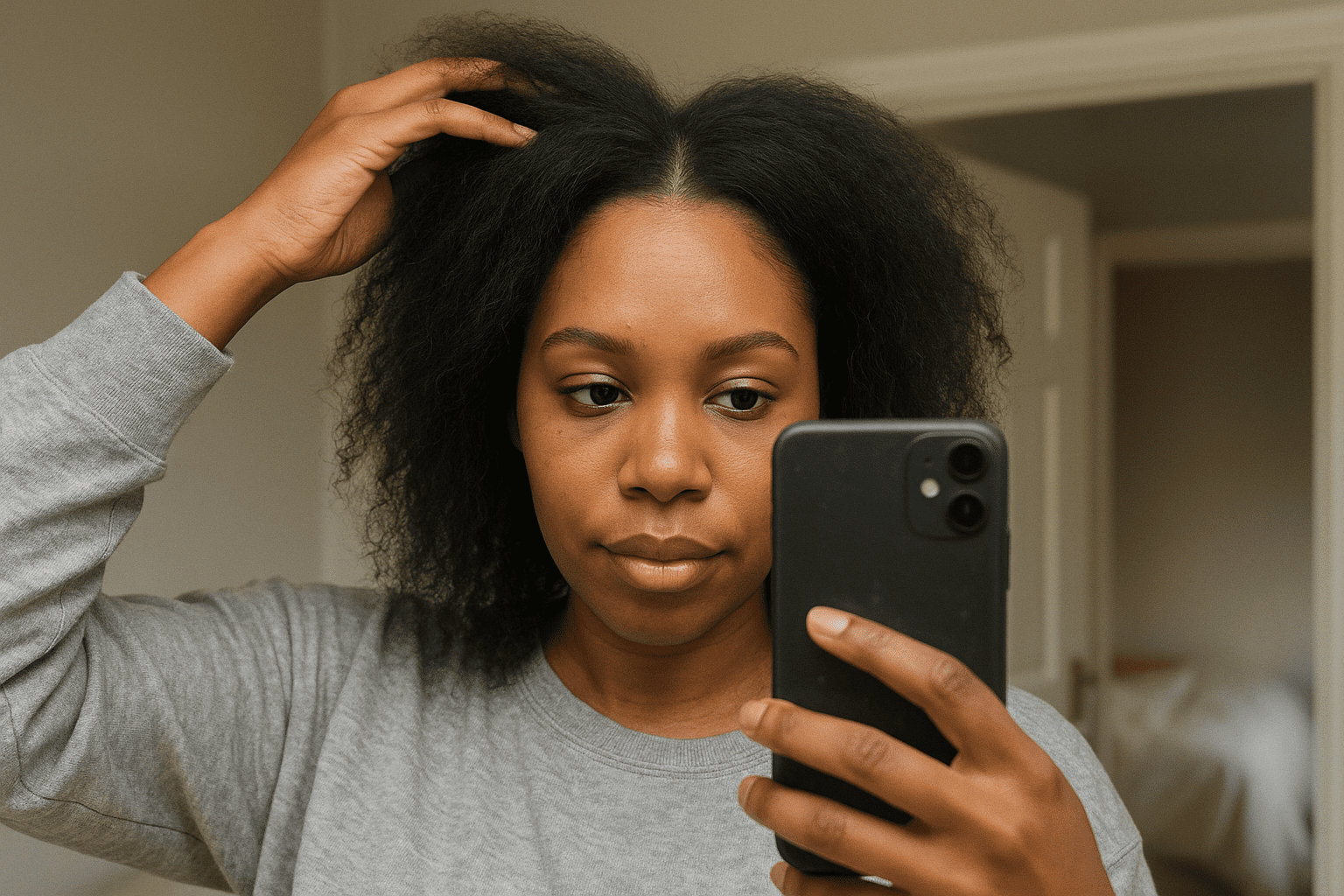
Fine hair needs more strategy than force. The goal is not to add as much hair as possible. The goal is to add enough in the right places that your hair looks fuller without announcing that extensions are involved.
That is why lightweight wefts are such a smart option. They create support and volume without the heaviness that can expose a blend or stress delicate roots.
Fine hair looks best with precision, not excess.
Quick Answer
If you have fine hair, choose lightweight extensions with realistic density, accurate colour matching and placement that supports volume through the mid-lengths rather than piling weight everywhere.
The best result usually comes from less hair than people expect, paired with a good cut and face-framing blend that makes the fullness feel natural.
Key Takeaways
- Fine hair is overwhelmed faster than thick hair.
- Better placement beats bigger volume every time.
- A believable blend matters more than extra grams.
- Lighter methods often perform better over time on delicate hair.
Why too much hair backfires
When fine hair carries more extension weight than it can support, the result often looks bulky at the attachment area and thin at the perimeter. That contrast draws attention to the very thing you wanted to hide.
A lighter, cleaner fit produces a far more premium finish because the hair moves as one shape instead of two competing layers.
Where to create volume
For most fine-hair clients, the best visual return comes from filling out the lower half of the hair and adding subtle support around the face. That is usually enough to make the whole style read fuller.
You do not need massive density at the crown if the lengths are balanced properly. In fact, too much weight near the top can flatten fine hair rather than lift it.
- Prioritise seamless colour matching so the density looks natural.
- Ask for a blend cut if your natural hair is much shorter around the front.
- Use styling to create width, not only length.
- Choose softness and movement over blunt heaviness.
How to keep the result believable
Believable volume on fine hair comes from restraint. Softer ends, a little bend and careful front blending make the style look intentionally fuller rather than obviously enhanced.
This is also the version of volume that performs better in daylight and social content because the blend looks clean from more than one angle.
Shop the Right Hair for This Goal
If you are acting on this advice now, start with Remy Hair. Those collections are the most relevant routes for this specific result, and they make it easier to choose hair that behaves the way you need it to.
Frequently Asked Questions
Can fine hair wear long extensions?
Yes, but the longer you go, the more careful you need to be with weight, density and blending.
Do lightweight wefts still make a difference?
Absolutely. On fine hair, subtle added fullness often looks more impressive than heavy dramatic length.
Why do extensions sometimes make fine hair look thinner?
Usually because the weight is too high, the blend is poor or the ends look sparse compared with the attachment area.
Read Next
If you want to go deeper, continue with How to Choose the Right Hair Extension Length for Your Face Shape, Postpartum Hair Confidence: Safe Extension Options. That keeps the buying path connected to the education instead of sending the reader back to generic search results.
Final Word
If your hair is fine, treat volume like tailoring. The best result is the one that looks easy, not the one that looks like the biggest transformation.